
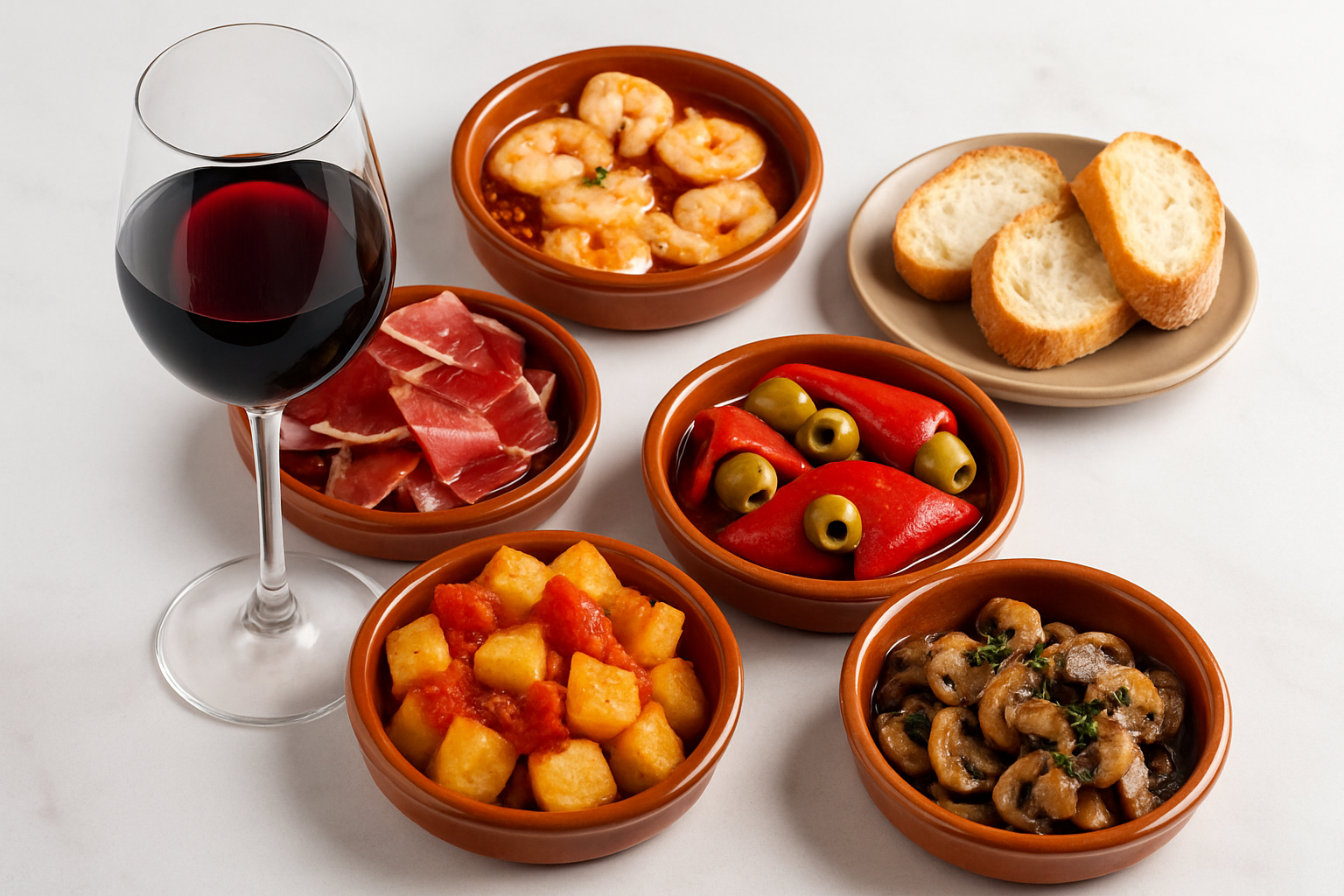
Wine pairing Spanish tapas home entertaining requires matching light, mineral-forward wines with bold, salty flavors for optimal taste harmony. Whether you’re hosting an intimate gathering or a larger celebration, understanding the fundamentals of wine pairing Spanish tapas home events will elevate your guests’ experience and showcase Spanish culinary traditions. This guide provides specific wine selections, pairing principles, and practical tips for creating memorable tapas tastings in your own space.
Wine Pairing Fundamentals for Spanish Tapas
Understanding the core principles of wine pairing Spanish tapas home gatherings begins with recognizing the flavor profiles of traditional Spanish appetizers. Spanish tapas feature intense salt content, umami from cured meats, and often sharp, briny elements from olives and anchovies. These bold flavors require wines with sufficient acidity and minerality to cleanse the palate between bites.
Minerality: a crisp, clean taste quality in wine created by minerals in the soil where grapes grow, ranging from flinty and chalky to slightly saline. This characteristic is essential when planning wine pairing Spanish tapas home events because it mirrors the salty nature of jamón ibérico, chorizo, and marinated vegetables.
According to the Wine Institute, California wine standards publication, high-acidity wines with alcohol content between 10–13.5% work best with appetizer-style foods because they don’t overwhelm lighter preparations. The key principle is balance: acidic wines cut through richness, while light-bodied options prevent overshadowing delicate flavors.
- Match salt with acidity—salty tapas need crisp, dry wines
- Consider umami pairing—aged cured meats pair with mineral-forward selections
- Balance alcohol content—avoid heavily alcoholic wines that compete with small bites
- Test temperature—serve whites slightly cooler than room temperature for best results
Takeaway: The foundation of successful wine pairing Spanish tapas home entertaining rests on matching acidity and minerality to complement salt, umami, and bold flavors.
White Wines: The Classic Choice
Spanish Albariño and Verdejo
Albariño from Spain’s Rías Baixas region represents the gold standard for wine pairing Spanish tapas home occasions. This wine delivers crisp citrus notes, bracing acidity, and subtle salinity that perfectly complement seafood-based tapas like gambas al ajillo (garlic shrimp) and pulpo a la gallega (Galician-style octopus). Verdejo, from the Rueda region, offers similar characteristics with stone fruit complexity.
These Spanish whites are grown in mineral-rich soils and aged partially in stainless steel, preserving their fresh character. Most quality Albariños cost $15–25 per bottle, making them accessible for home entertaining. Serve at 45–50°F for optimal flavor expression.
Sauvignon Blanc Alternatives
French Sauvignon Blanc, particularly from the Loire Valley, provides an excellent alternative when Spanish options aren’t available. Sancerre and Pouilly-Fumé showcase herbaceous, grassy notes with explosive acidity that pairs beautifully with jamón ibérico, manchego cheese, and marinated artichokes. The wine’s mineral-driven profile complements the complex flavors in cured Spanish meats.
Takeaway: Spanish whites like Albariño lead the charge, but quality Sauvignon Blanc offers comparable pairing success for wine pairing Spanish tapas home events.
Red and Rosé Wines for Bold Tapas
Tempranillo and Light Reds
Spanish Tempranillo, from regions like Rioja and Ribera del Duero, works exceptionally well with heavier tapas preparations. Lighter Tempranillo expressions—those aged less than two years—maintain enough acidity and spice notes to pair with chorizo, patatas bravas, and croquetas. The wine’s subtle oak and dark cherry character complement iron-rich cured sausages without overpowering the meal.
Young Tempranillos typically offer better value than aged reserves, costing $12–18 per bottle. Serve slightly cooler than room temperature (55–60°F) to enhance their freshness in a tapas context.
Rosé Wine Excellence
Dry rosé wines from Spain—particularly those from Provence-influenced producers—represent an underrated choice for wine pairing Spanish tapas home gatherings. These wines deliver enough body to match saltier preparations while maintaining the refreshing qualities of white wine. The delicate berry notes complement both vegetable and meat-based tapas without demanding center stage.
Spanish rosados typically contain 12–13% alcohol and cost $10–16 per bottle, making them budget-friendly for entertaining larger groups.
Takeaway: Red Tempranillo and dry rosé expand your wine pairing Spanish tapas home options beyond whites, especially when serving meat-based preparations.
Sparkling and Fortified Wines
Sherry: Spain’s Signature Spirit
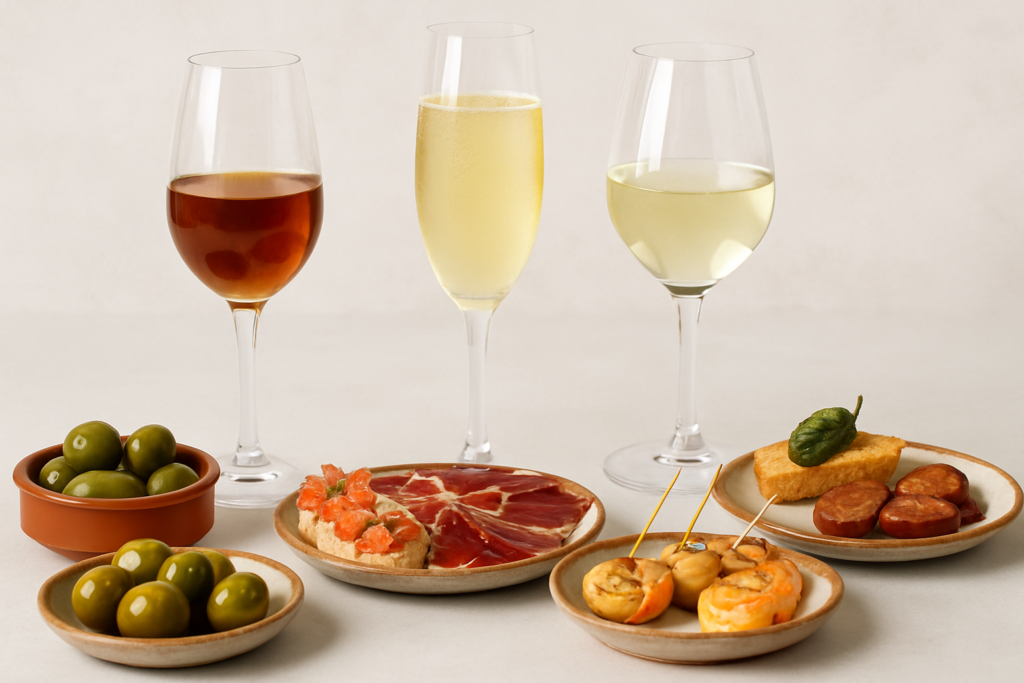
Sherry represents perhaps the most authentic choice for wine pairing Spanish tapas home events. Fino and Manzanilla sherries—pale, dry, and refreshingly salty—were historically served alongside tapas in Spanish bars, creating a traditional pairing that endures today. These fortified wines deliver 15% alcohol, intense minerality, and a slightly yeasty character that amplifies salty and umami flavors in cured meats and olives.
According to Appellation America’s wine education resources, sherry’s unique biological aging process creates a flavor profile incomparable to other wines. Serve in small glasses (3–4 ounces) at 50–55°F. Quality bottles range from $12–20.
Cava for Celebratory Occasions
Spanish Cava, a sparkling wine made using the traditional Champagne method, works brilliantly when wine pairing Spanish tapas home celebrations. The bubbles cleanse the palate between bites while the wine’s subtle fruitiness complements delicate preparations like marinated anchovies and white asparagus. Cava’s affordability—typically $10–15 per bottle—makes it ideal for serving multiple glasses to larger groups.
Takeaway: Sherry offers authentic Spanish tradition, while Cava provides celebratory sparkle for wine pairing Spanish tapas home entertaining.
Strategic Pairing Strategies
Successful wine pairing Spanish tapas home events requires thoughtful planning beyond simple wine selection. Consider the progression of your tapas menu, temperature management, and guest preferences when designing your wine lineup.
- Serve whites first, reds second: Begin with lighter, crisper wines before moving to more robust selections. This approach preserves your guests’ palates and follows traditional entertaining protocol.
- Match intensity levels: Light vegetable tapas pair with lighter wines; heavier cured meats and fried preparations pair with fuller-bodied options or sherries.
- Plan 2–3 wine options: For home entertaining, offer one white, one red or rosé, and one sherry or Cava. This range accommodates diverse preferences without overcomplicating service.
- Chill white wines properly: Pre-chill wine glasses and use wine chiller buckets rather than ice directly in glasses, which dilutes wine as it melts.
- Taste before serving: Open bottles 15 minutes before guests arrive to allow wines to breathe and reveal their full flavor profiles.
When planning quantities, assume three glasses per guest if serving over two hours. For wine pairing Spanish tapas home gatherings with six guests, prepare one 750ml bottle of white, one 750ml bottle of red or rosé, and one 375ml bottle of sherry—sufficient quantities for approximately three glasses per person.
Takeaway: Strategic planning ensures your wine pairing Spanish tapas home menu flows logically while accommodating guest preferences and palate progression.
Hosting the Perfect Wine Pairing Spanish Tapas Home Event
Menu Planning Essentials
Develop your tapas menu around wine selections rather than vice versa. Identify two to three anchor dishes—perhaps jamón ibérico, patatas bravas, and gambas al ajillo—then select wines that pair excellently with these centerpiece items. Additional tapas should complement rather than conflict with your primary wine choices.
Classic Spanish tapas that pair universally well with the wines discussed above include:
- Jamón ibérico (Serrano ham)—pairs with all dry wines
- Patatas bravas (fried potatoes with spicy sauce)—needs high acidity
- Gambas al ajillo (garlic shrimp)—perfect with crisp Albariño
- Queso manchego (aged cheese)—complements Tempranillo
- Piquillo peppers stuffed with goat cheese—versatile with whites or rosé
- Boquerones en vinagre (marinated anchovies)—excellent with fino sherry
- Croquetas de jamón (ham croquettes)—pair well with light reds
Temperature and Serving Logistics
Proper wine temperature dramatically affects taste quality. Prepare a timeline for opening, chilling, and serving wines to ensure guests experience each selection optimally. Set up a dedicated wine service area with proper glassware—tulip-shaped glasses for whites and light reds, smaller glasses for sherry, and flute glasses for Cava.
Professional wine glasses designed for each style enhance aroma and flavor expression, but standard wine glasses work adequately for home entertaining. Ensure you have at least two glasses per guest to allow wine sipping without constant refilling.
Takeaway: Meticulous planning transforms wine pairing Spanish tapas home entertaining from casual gathering into memorable culinary experience.
Budget Considerations
Quality wine pairing Spanish tapas home entertainment doesn’t require expensive bottles. Mid-range Spanish wines ($12–20 per bottle) typically outperform pricey imports in this context because they’re optimized for tapas-style dining. Allocate your budget toward quality cured meats and fresh ingredients rather than premium wine labels.
For a six-person gathering, expect to spend $40–60 on wine selections while maintaining excellent quality and variety. This approach proves far more cost-effective than premium options and often yields superior results.
Creating memorable wine pairing Spanish tapas home events relies on understanding flavor harmony, selecting regionally appropriate wines, and thoughtful menu planning. By following these principles—matching acidity to salt, considering wine intensity alongside food preparation styles, and serving wines at optimal temperatures—you’ll craft experiences that transport guests to Spain’s coastal regions and bustling tapas bars. Your next home gathering will showcase not only exceptional wine pairings but also your expertise in Spanish culinary traditions, leaving lasting impressions on every guest.
Frequently Asked Questions
What is the best wine for pairing Spanish tapas at home?
Albariño and Verdejo—dry Spanish white wines—represent the optimal choice for wine pairing Spanish tapas home events due to their mineral character, bright acidity, and subtle salinity that complement salty, cured preparations. If Spanish options aren’t available, crisp Sauvignon Blanc provides comparable results. Fino sherry offers the most authentic traditional pairing, historically served alongside tapas in Spanish bars.
Can you pair red wine with Spanish tapas?
Yes—young Tempranillo and light red wines pair excellently with heavier tapas like chorizo, croquetas, and patatas bravas because their spice notes and subtle oak complement iron-rich cured meats without overpowering delicate flavors. Dry rosé also works beautifully, offering enough body for substantial preparations while maintaining freshness. Avoid heavily-oaked or high-alcohol reds that overpower small-portion appetizers.
How many wines should I serve for a tapas party at home?
Plan to serve 2–3 wine options for a tapas party: one white (Albariño), one red or rosé (Tempranillo), and optionally one sherry or Cava for variety and celebration. This selection accommodates diverse guest preferences while preventing over-complication of your wine pairing Spanish tapas home service. Assume three glasses per person when calculating bottle quantities for a two-hour gathering.
What temperature should Spanish wines be served for tapas?
Serve Spanish white wines (Albariño, Verdejo) at 45–50°F for optimal flavor expression; light reds and rosé at 55–60°F to maintain freshness; and fino sherry at 50–55°F. These temperatures preserve acidity and allow mineral characteristics to shine, essential for successful wine pairing Spanish tapas home entertaining. Pre-chill glasses and use wine chiller buckets rather than ice to prevent dilution as bottles warm.